The Scientific Autopsy and Analysis of the Volumes of Historical Prints at the Albertina Museum
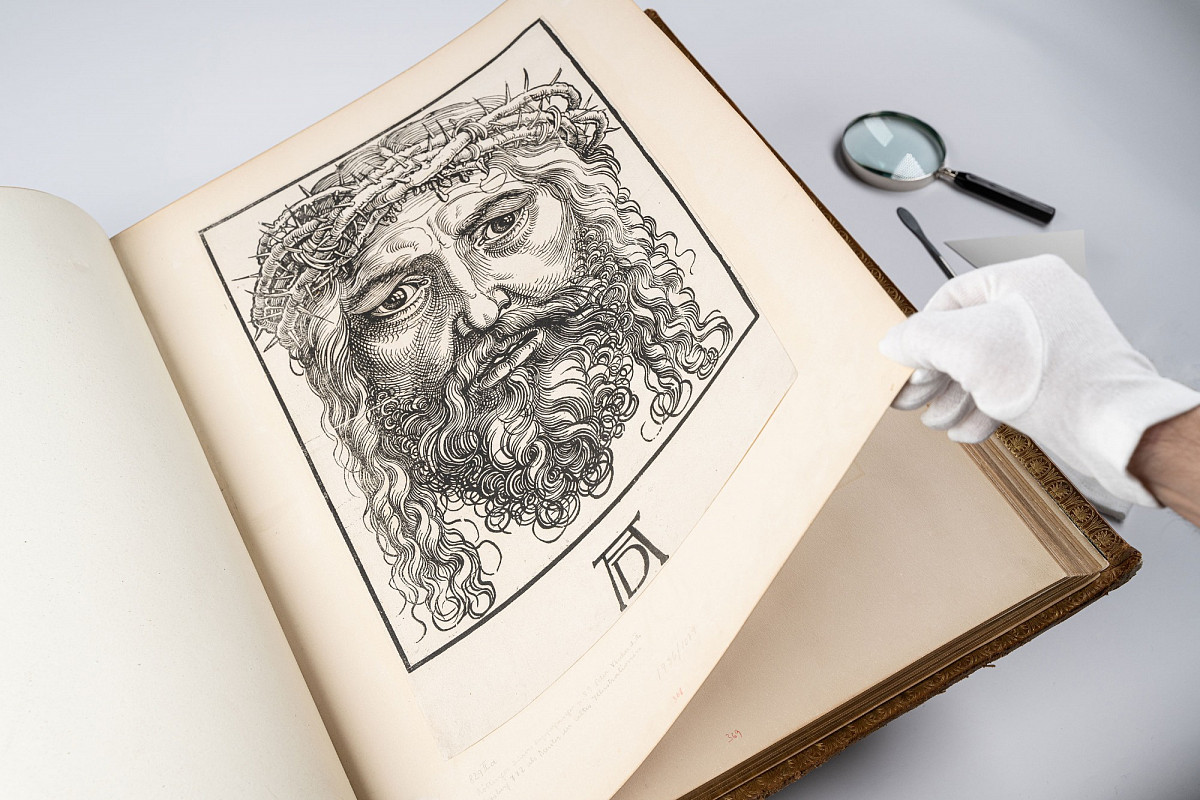
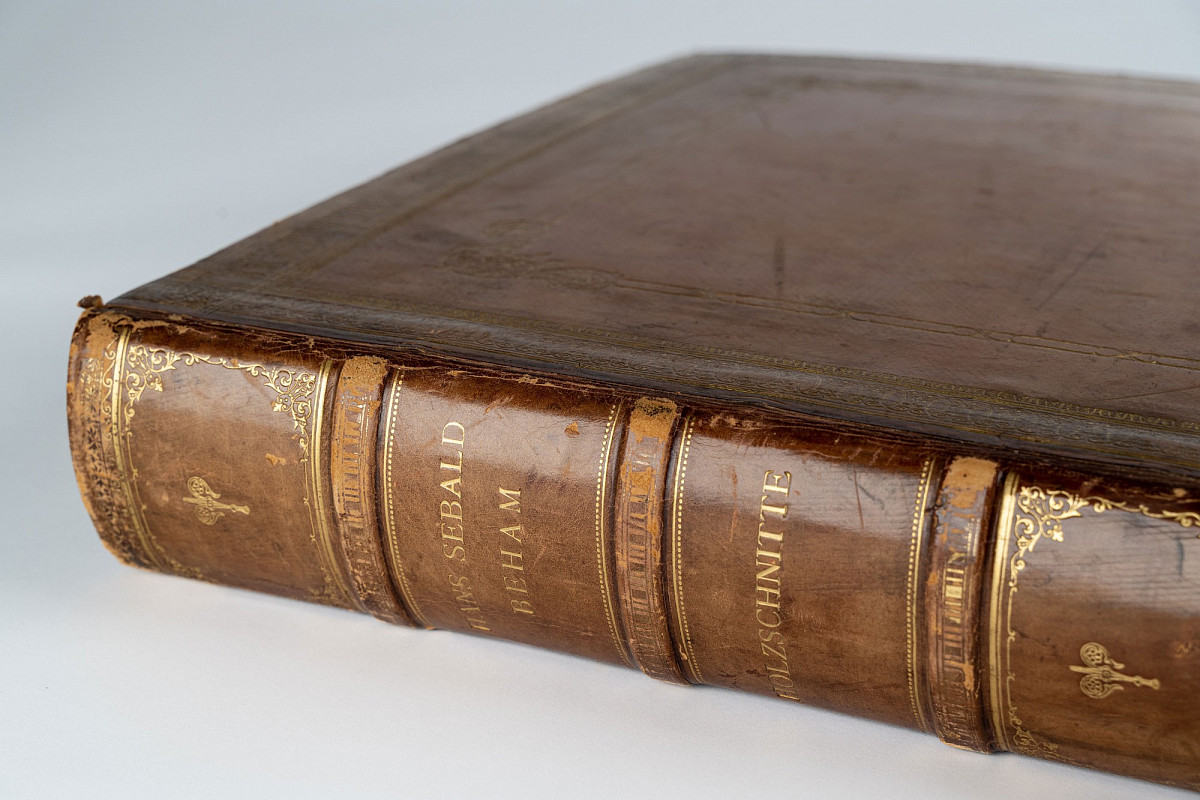
With some 900,000 sheets, the Old Master prints make up the largest part of ALBERTINA’s collections. Few museums can match this holding in quantity or quality. A large proportion of the prints are mounted in historical large-folio volumes: 1,682 albums still preserve the sheets in the ordering systems according to which they were originally assembled.
The volumes come from several collections. The 279 volumes of Prince Eugene of Savoy, bound in red morocco leather, were arranged by school and artist from 1717 onwards by the Parisian art dealers Jean and Pierre-Jean Mariette, and entered the Imperial Court Library in 1738. The 749 volumes of the collection of Albert, Duke of Teschen were compiled from 1827 onwards at the instigation of Franz Rechberger, who divided each school into three sections: engravers, painters and etchers. These are joined by 364 volumes from the former Court Library and 290 volumes of another provenance. With the merger of the collections in 1920/21, they were brought together under one roof. Together, they reflect the knowledge and aesthetics of collecting from the early eighteenth to the late nineteenth century.
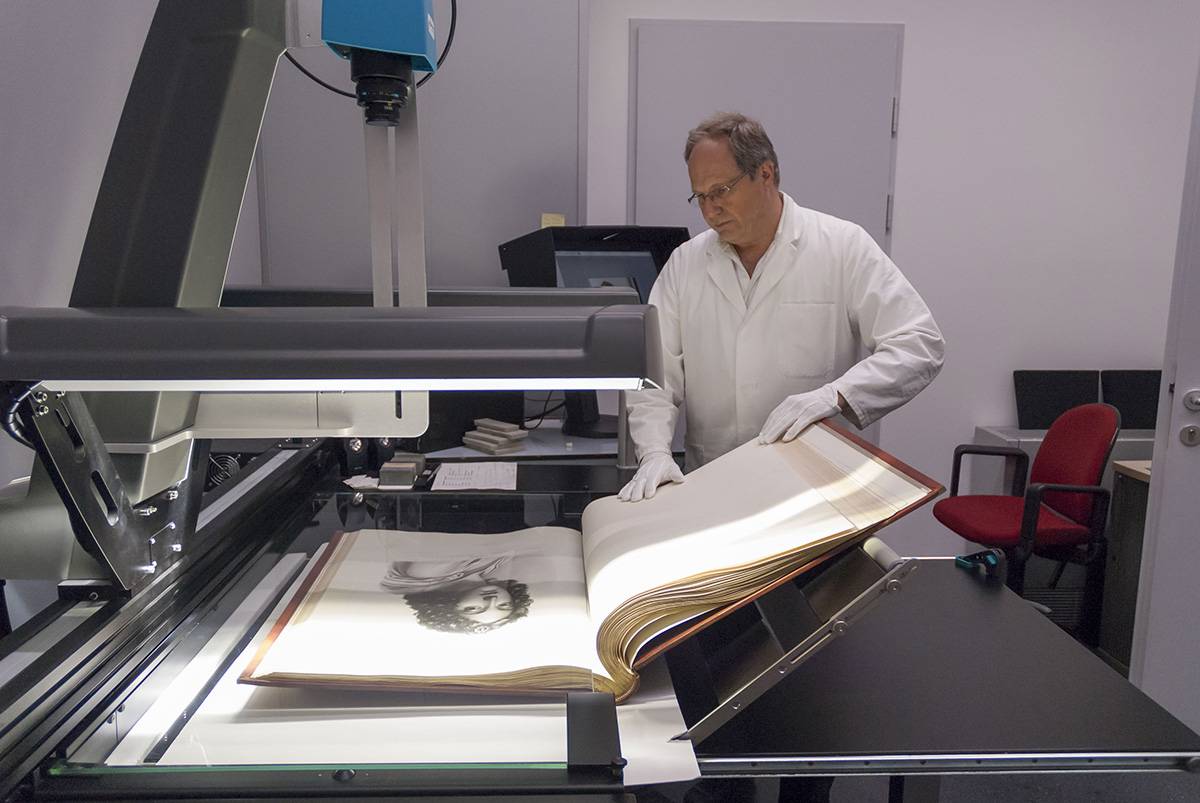
A survey of this monument of early collecting practice, probably unique worldwide, that meets modern scholarly standards had long been a desideratum. The research project, launched in March 2017 with the support of the Jubiläumsfond of the Österreichische Nationalbank, aims at the precise first-hand examination and analysis of each individual volume. Every volume is examined by scholars, assessed and stabilized by conservators, inventoried, digitized, catalogued in the collection database and gradually made available online. The volumes from Albert’s collection have already been fully processed; the current focus is on Prince Eugene’s volumes.
The project considerably broadens our understanding of the genesis and structure of our modern canon of images, of the media history of prints and of the aesthetics of collecting. It has also led to numerous discoveries and new attributions of individual sheets.

We would like to thank the following supporters, with whose help the project can be realized: